Key Tyre Safety Facts Every UK Driver Should Know
Legal Minimum Tread
1.6mm across central ¾ of tyre, around full circumference.
Potential Penalties
Up to £2,500 fine and 3 penalty points per illegal tyre.
1 in 5 MOT failures are due to tyre defects
Recommended Change
Replace at 3mm tread for optimal wet weather performance.
Stopping distance increases by 44% at 1.6mm vs 3mm
Tyre Safety Calculator
Estimate Your Stopping Distance
Estimated Stopping Distance
At 3mm tread in wet conditions, your stopping distance is 25% shorter than at the legal minimum of 1.6mm.

UK Tyre Legislation Explained
Tyres are your vehicle's only contact with the road, making them a critical safety component. UK law specifies strict requirements under The Motor Vehicles (Construction and Use) Regulations 1986 and The Road Vehicles (Construction and Use) Regulations 1986.
Legal Framework
UK tyre laws are enforced by the DVSA (Driver and Vehicle Standards Agency) and non-compliance can lead to MOT failure, fines, or prosecution.
Speed Rating
Must match or exceed vehicle's maximum speed capability
Load Index
Must meet manufacturer's specifications for vehicle weight
Complete Legal Requirements Checklist
- Minimum 1.6mm across central three-quarters of tyre
- Must be maintained around full circumference
- Original tread pattern must be visible
- Commercial vehicles (>3.5t) have different requirements
Many insurance policies become void if tread is below 1.6mm, regardless of prosecution
- Must be free from cuts >25mm or exposing cords
- No bulges, lumps or other signs of internal damage
- Same construction type (radial/cross-ply) on same axle
- No temporary spare fitted as permanent solution
- Correct size as specified by vehicle manufacturer
- Properly inflated to recommended pressure
- Valve caps must be present and functional
- Wheel nuts/bolts must be properly tightened
Penalties: Up to £2,500 fine and 3 penalty points per illegal tyre. Your insurance may be invalidated.
When Should You Replace Your Tyres?
Don't wait until you're breaking the law. These signs indicate it's time for new tyres.
Tread Depth Below 3mm
While the legal minimum is 1.6mm, safety experts strongly recommend replacing tyres at 3mm. Here's why:
- Wet braking distance increases by 44% at 1.6mm vs 3mm
- Aquaplaning risk doubles below 3mm tread
- Most tyre manufacturers void warranties below 2mm
A new tyre has ~8mm tread. At 3mm, you've used about 60% of its usable life.
Tyre Age Over 5 Years
Rubber degrades over time due to oxidation, even with minimal use:
- After 5 years: Annual professional inspection recommended
- After 7 years: Consider replacement regardless of tread
- 10 years: Absolute maximum lifespan for any tyre
Manufacturing date is stamped on sidewall as 4-digit code (e.g. "1523" = 15th week of 2023)
Visible Damage or Defects
Replace immediately if you notice any of these dangerous conditions:
Sidewall Damage
Cuts, cracks or bulges in sidewall
Tread Damage
Cuts >6mm or exposing cords
Uneven Wear
Significant difference across tread
Punctures
In sidewall or shoulder area
Performance Issues
These symptoms suggest your tyres need attention:
Handling Problems
Vehicle pulls to one side or feels unstable
Excessive Noise
Unusual humming or roaring sounds
Braking Issues
Longer stopping distances, especially when wet
Fuel Efficiency
Noticeable decrease in miles per gallon
Common Tyre Defects to Watch For
Spotting these issues early can prevent accidents and costly repairs.
Visual Defects
Cuts & Cracks
Sidewall cracks or tread cuts exposing cords indicate structural weakness that could lead to blowouts.
Bulges & Blisters
Localized swelling indicates internal damage from impact (e.g., hitting potholes) and requires immediate replacement.
Uneven Wear
Patchy wear patterns suggest alignment issues, suspension problems, or incorrect inflation.
Performance Defects
Aquaplaning
Loss of control in wet conditions indicates tread can't channel water effectively anymore.
Vibration
Steering wheel vibration at certain speeds suggests imbalance or internal tyre damage.
Pressure Loss
Frequent need to reinflate indicates slow puncture or valve issues needing attention.
Tyre Defects Visual Guide
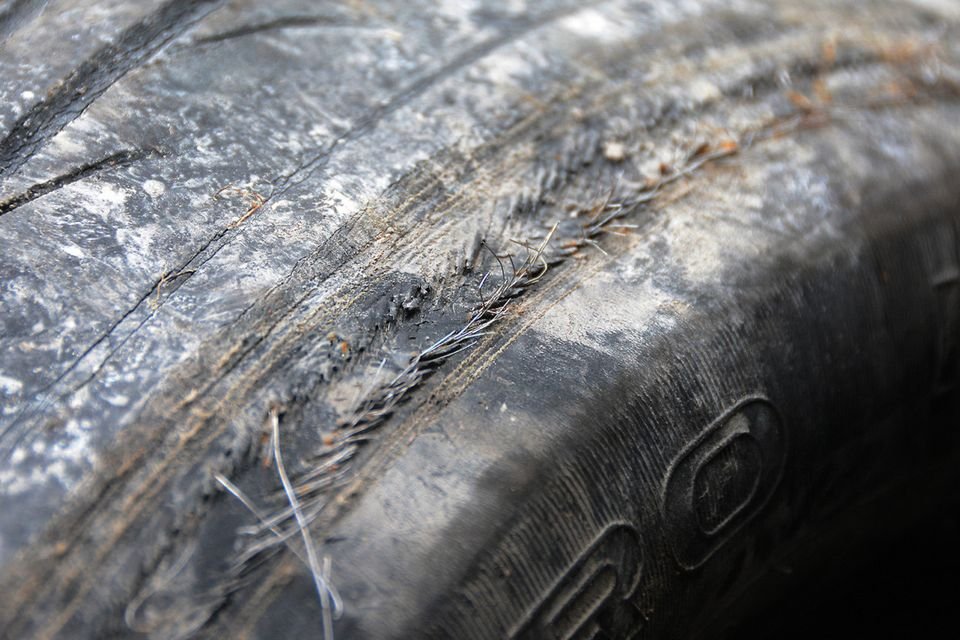
Worn Tread
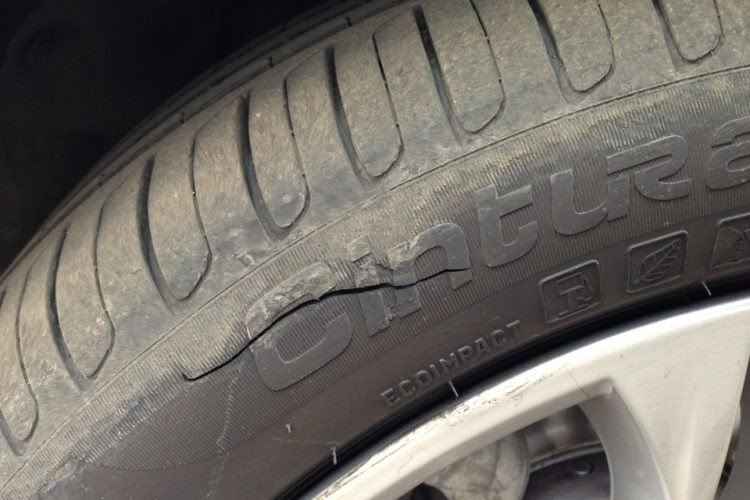
Sidewall Cracks
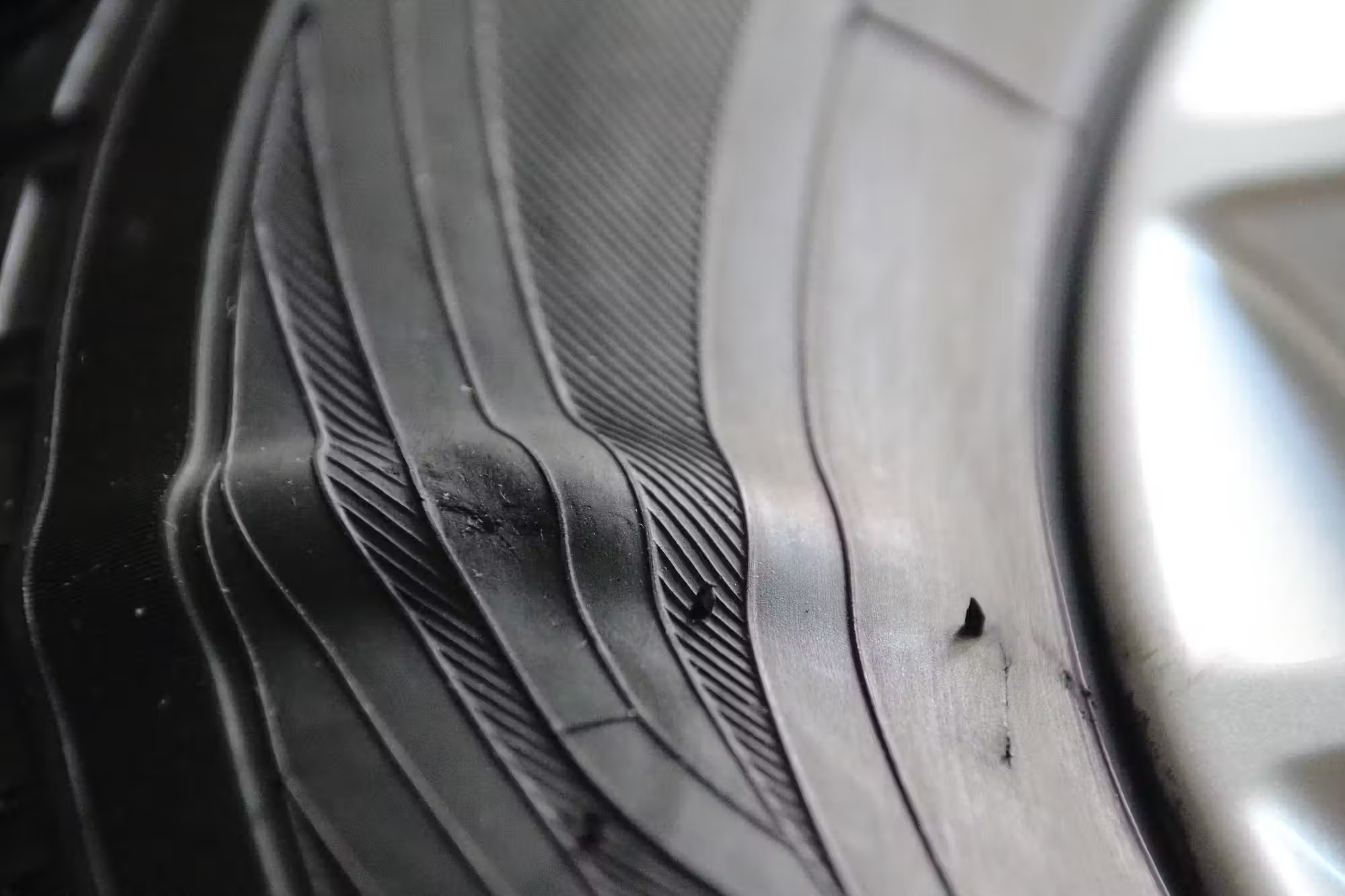
Bulges
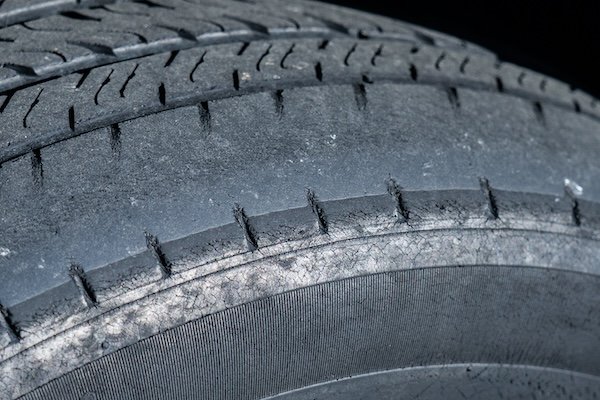
Uneven Wear
If you spot any of these defects, have your tyres inspected by a professional immediately. Driving on damaged tyres is dangerous and illegal.
How to Check Your Tyres Properly
Follow this step-by-step guide to ensure your tyres are safe and legal.
Tread Depth Check
Use a tread depth gauge
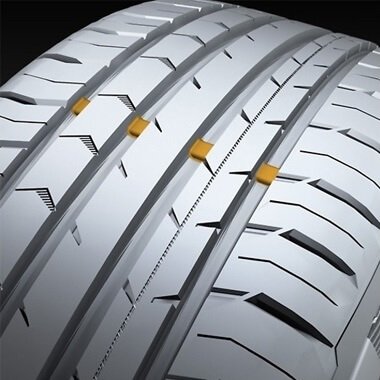
Insert the gauge into the main tread grooves at several points across the tyre.
Measure in the central three-quarters of the tyre.
The 20p test
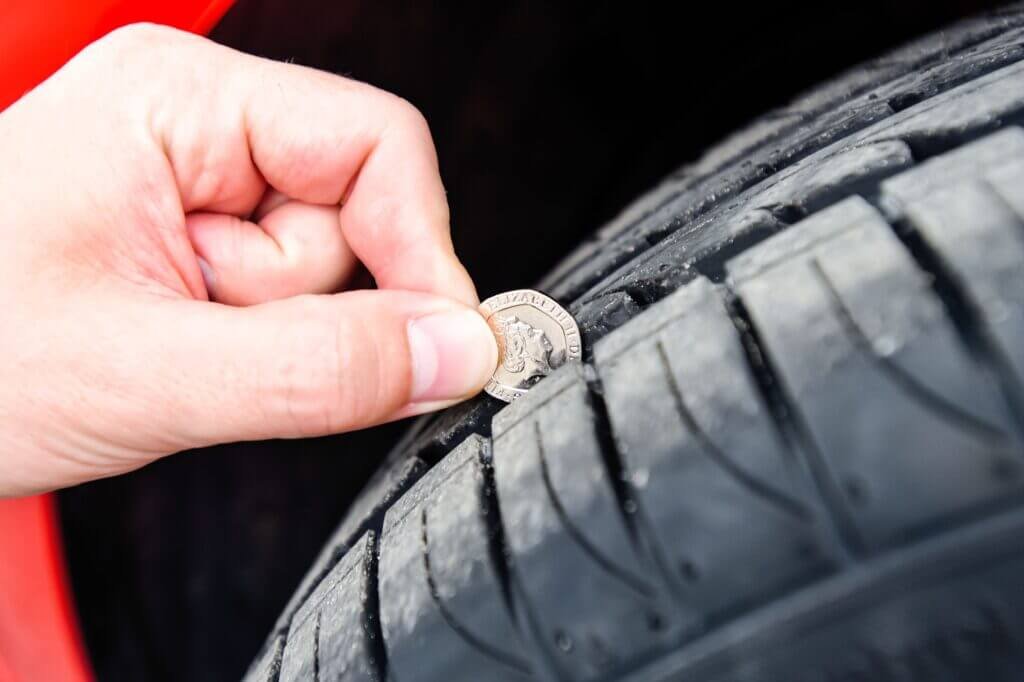
Insert a 20p coin into the tread grooves.
If the outer band is visible, your tread may be below legal limit.
Visual Inspection
What to look for:
Tread Area
- Uneven wear patterns
- Cuts or embedded objects
- Tread wear indicators
Sidewalls
- Cracks or crazing
- Bulges or blisters
- Scuff marks
Check all around the tyre - defects may only be visible from certain angles.
Pressure Check
How to check correctly:
- Check when tyres are cold (not driven for 2+ hours)
- Use a reliable pressure gauge (petrol station gauges can be inaccurate)
- Refer to vehicle manual or door jamb sticker for correct pressures
- Don't forget the spare tyre!
Correct pressure improves safety, fuel efficiency and tyre lifespan.
Tyre Maintenance Schedule
Regular Checks
Weekly
Quick visual check for obvious damage or pressure issues
Monthly
Proper pressure check and thorough inspection
Every 6 Months
Professional inspection and wheel alignment check
Special Circumstances
Before Long Journeys
Comprehensive check including spare tyre
Seasonal Changes
Consider switching between summer and winter tyres
After Heavy Loads
Check for damage and adjust pressures back to normal
Regular maintenance can extend tyre life by up to 25% and significantly improve safety.
Frequently Asked Questions
Answers to common questions about UK tyre legislation and safety.
You should check your tyre pressure at least once a month and before any long journey. Remember:
- Check when tyres are cold (not driven for at least 2 hours)
- Use a reliable pressure gauge - petrol station gauges can be inaccurate
- Refer to your vehicle manual or door jamb sticker for correct pressures
Under-inflated tyres can increase fuel consumption by up to 5% and reduce tyre life by 25%.
While temporary repair kits are available, we strongly recommend professional assessment for any puncture:
- Never repair sidewall punctures - replacement is mandatory
- Punctures larger than 6mm cannot be safely repaired
- Only the tread area can be repaired, and only once per tyre
- Repairs must be done from inside the tyre, not with plug kits
DIY repairs may compromise safety and could invalidate your insurance.
While not strictly illegal, mixing brands or tread patterns is not recommended:
Same Axle
Tyres on the same axle should always be identical (brand, pattern, size)
Different Axles
Different patterns front/rear can affect handling, especially in wet
For optimal safety, use matching tyres on all wheels. At minimum, keep pairs on each axle.
Absolutely. Winter tyres provide significant advantages even in typical UK winter conditions (not just snow):
Better performance below this temperature
Shorter stopping distance on snow/ice
Faster 0-60mph time on cold wet roads
- Special rubber compound stays flexible in cold weather
- Tread pattern designed to bite into snow/ice
- Thousands of extra sipes for wet weather grip
Follow these expert tips to maximise tyre life and performance:
Driving Style
Avoid harsh acceleration, braking and cornering
Maintenance
Regular rotation (every 6,000-8,000 miles) and alignment checks
Road Awareness
Avoid potholes and kerb impacts where possible
Storage
Keep spare tyres in cool, dry place away from sunlight
Proper care can extend tyre life by 10,000+ miles and maintain safety performance.
Need Professional Tyre Help?
Our network of certified tyre fitters across the UK can provide expert advice, replacements, and mobile fitting services.
